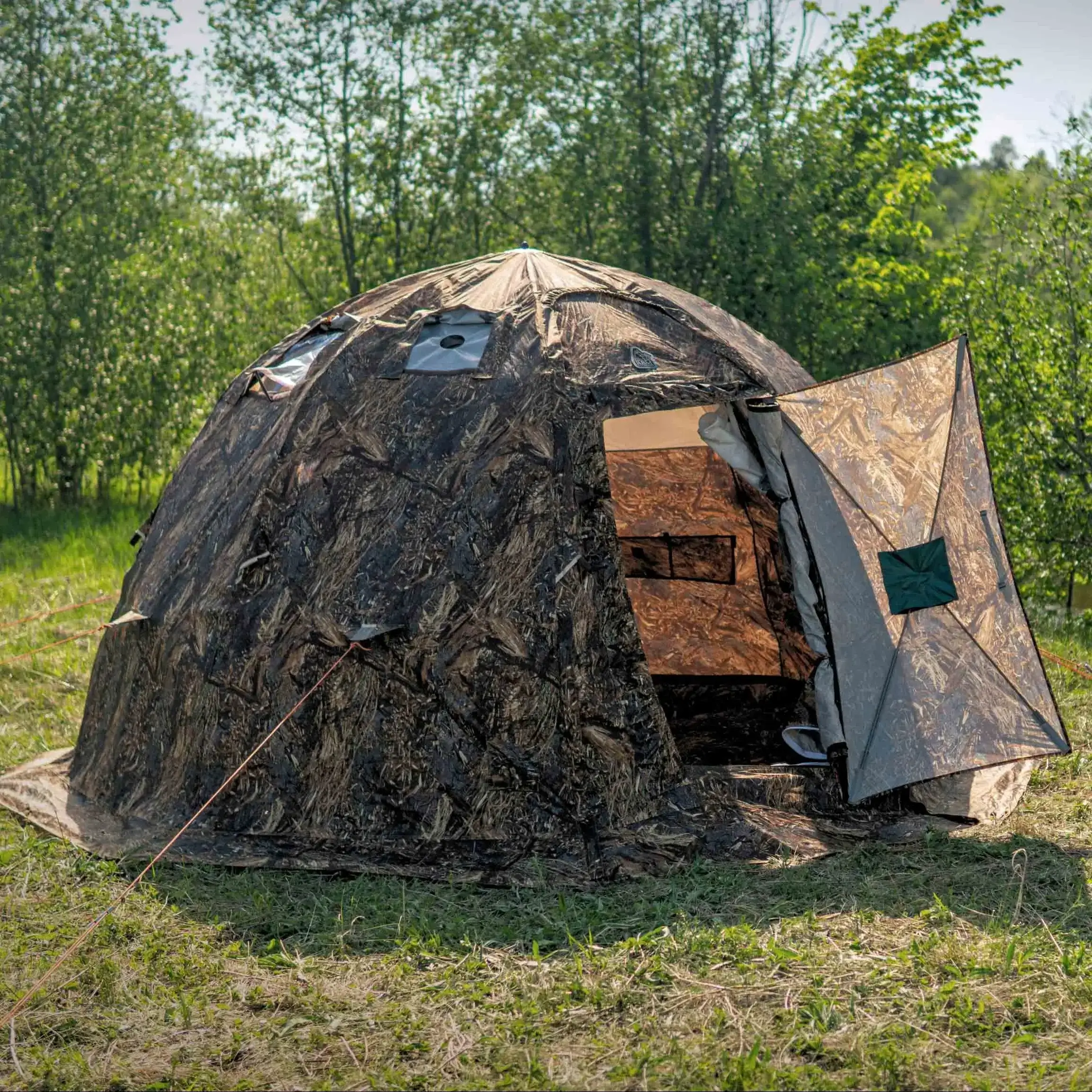
When you're perched on a ridge at 3,000 meters and a storm cell moves in, the marketing copy on a tent tag doesn't matter. Only the technical specifications do.
Most hikers look at the number of 'seasons' or the weight. But to truly understand a shelter's limits, we must look deeper into the architecture and the weave of the fabric itself.
Hydrostatic Head: More Than a Number
The 'Hydrostatic Head' (HH) rating measures how much water pressure a fabric can withstand before it begins to leak. While a rating of 1,500mm is technically 'waterproof,' at VagaWild we consider 3,000mm the absolute minimum for expedition-grade gear. Why? Because the pressure of wind-driven rain can exceed the static pressure used in laboratory tests. A 10,000mm rating on a tent floor ensures that even when you kneel on the fabric in wet mud, no moisture is forced through.
Dyneema vs. SilNylon
The industry is currently split between traditional SilNylon (Silicone-coated Nylon) and DCF (Dyneema Composite Fabric). SilNylon offers excellent longevity and price-to-weight performance, but it stretches when wet—requiring you to re-tension your lines during a storm. DCF, on the other hand, is virtually zero-stretch and significantly lighter, but it has a lower abrasion resistance and higher bulk when packed.
Engineer's Tip
"Look for 6061-T6 aluminum or DAC Featherlite poles. The wall thickness and diameter ratio determine whether your tent will snap or flex when a side-wind hits."
The Importance of Ventilation
A perfectly waterproof tent can still feel wet inside due to condensation. Modern VagaWild shelters utilize high-low venting systems that leverage the chimney effect. By allowing warm, moist air to escape at the peak while drawing in cool, dry air at the base, we can minimize the internal moisture that leads to a damp sleeping bag.
Marcus Thorne is a former lead engineer at several top outdoor brands and now heads our Research and Development lab in the Rockies.